Walk into any service room and you can usually tell what kind of day you’re going to have by the breaker panel on the wall. A clean, properly sized panel with tight terminations and clear labeling, and you’re likely in for a straightforward job. A maxed‑out, off‑brand box with doubled‑up neutrals and improvised tandems, and you’re suddenly in detective mode. As an electrical contractor, choosing the right breaker panel sets the tone for everything that follows, from safety to serviceability to client satisfaction ten years down the road.
I’ve replaced panels on hillside homes that baked in the Santa Clarita sun, installed multi‑gang indoor load centers for restaurants tucked under Hollywood offices, and rebuilt service equipment after a San Fernando Valley flood. The consistent lesson is this: panel selection isn’t just about ampacity. The right panel is a strategic decision that balances code, future load, accessory compatibility, quality of bus and breakers, site conditions, and the realities of maintenance. If you’re a homeowner reading along, you’ll get the reasoning behind your electrician’s recommendations. If you’re an electrical contractor, you’ll recognize the judgment calls we make every day.
What a Breaker Panel Actually Does and Why Its Design Matters
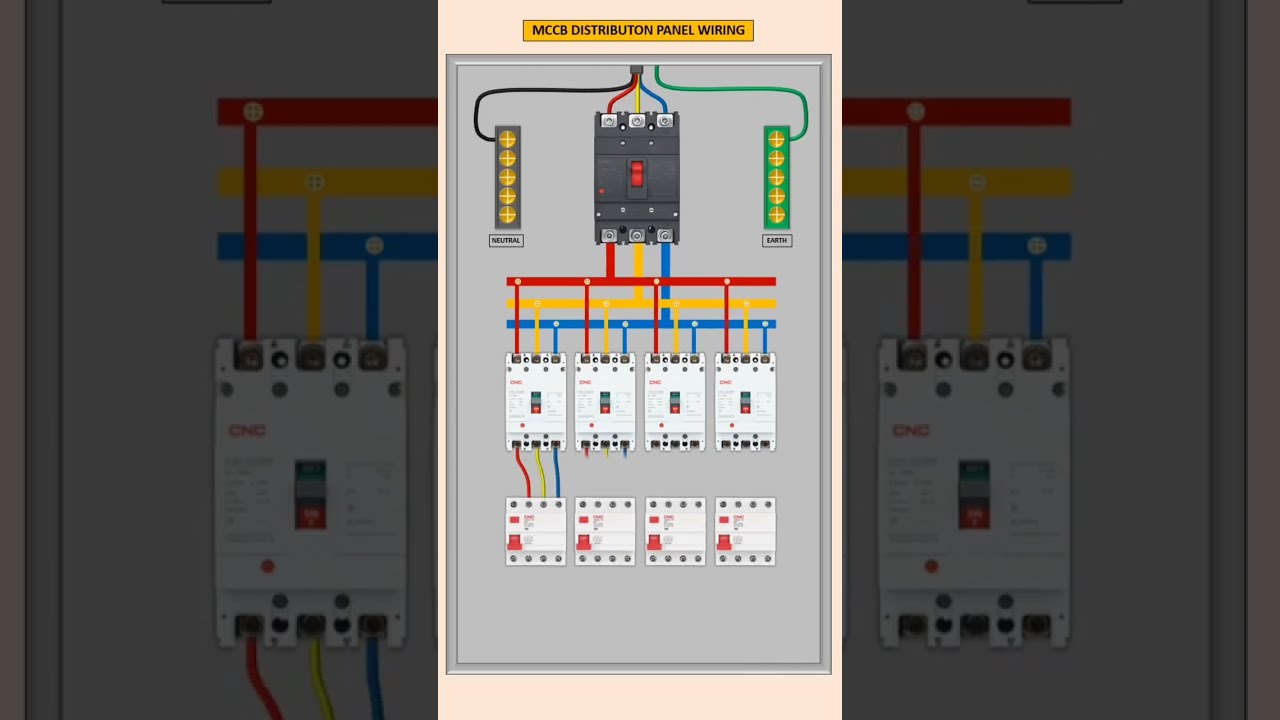
The breaker panel, or load center, is the traffic controller for a building’s electrical system. It receives power from the service disconnect, distributes that power to branch circuits, and provides overcurrent protection. Standard stuff. But the details make or break a system’s performance.
Bus design affects heat dissipation and breaker reliability. Termination space influences whether your wiring is neat or a spaghetti bowl. The enclosure’s rating and finish determine how the panel holds up in a damp garage or a salty coastal environment. The availability of matching breakers years later affects your ability to expand safely. When you select the panel, you’re locking in all of those downstream realities.
Start With the Service Calculation, but Don’t Stop There
Good selections begin with a load calculation. Use NEC Article 220 methodology, not back‑of‑napkin estimates. For a single‑family home in Los Angeles County with a typical 200‑amp service, I’ve seen calculated loads land anywhere from 118 to 165 amps depending on square footage, HVAC tonnage, EV charging, and electric cooking. If the math sits at 165 amps today and your client wants a heat pump water heater and two EV chargers next year, you’re already beyond a comfortable margin.
I like to think in tiers. A small ADU or modest condo might be properly served with a 100‑ to 125‑amp main breaker panel. A standard single‑family dwelling usually wants 200 amps today. Larger homes with two EV chargers, a pool, and an all‑electric kitchen routinely justify 225 or 320‑amp services, and in some cases 400 amps with parallel runs. The panel you choose should not just meet the load, it should anticipate the next wave of appliances and code‑driven retrofits. Since Title 24 pushes electrification across California, the conservative choice for many homes is a 200‑amp panel with clear room for 8 to 12 spare spaces.
In commercial work, I look at peak demand profiles and whether the tenant mix will change. A salon moving into a small retail bay brings a different load than a small office. A 225‑amp three‑phase panel with modular capacity for submetering and surge protection can save a future tenant improvement from a full rework.
Panel Types and When They Make Sense
Not every project needs the same gear, and not every brand approaches design the same way. Think in categories first, then in specific models.
Main breaker vs. main lug. A main breaker panel is standard for service equipment and many subpanels when you want local disconnect capability. Main lug only panels make sense as downstream subpanels in a large residence or a commercial distribution setup, as long as upstream protection is properly sized. Contractors sometimes default to main breaker everywhere, but the cost and space savings of a main‑lug subpanel are real if you know your protection scheme.
Single‑phase vs. three‑phase. Residential work in the Santa Clarita Valley is almost always single‑phase 120/240. Small commercial strip malls often have three‑phase 120/208. Downtown LA and certain industrial zones might run 277/480 for lighting and larger mechanical. Choose a panelboard matched to service, obviously, but also consider the practicality of balancing three‑phase loads if tenants turn over.
Indoor vs. outdoor. In Southern California, garages and exterior walls serve as common panel locations. Outdoor NEMA 3R enclosures that can take heat, dust, and occasional wind‑driven rain are crucial. On hillside homes in Canyon Country or Valencia, I look for outdoor panels with powder‑coated finishes that resist UV degradation and a tight door seal. For coastal work closer to Malibu or Redondo, I prefer stainless hardware or at least a higher quality finish to reduce corrosion. Indoors, a NEMA 1 panel with good hinge action and a strong dead‑front fastening system is fine, but think about the room’s humidity and temperature.
Load center vs. panelboard. For homes and light commercial, a load center usually covers it. For larger commercial suites, step up to panelboards with bolt‑on breakers and a more robust bus. Bolt‑on equipment costs more but handles repeated maintenance and additions better. If your client plans frequent reconfiguration, the extra up‑front spend earns its keep.
The Brand Question: Interchangeability Isn’t What It Used to Be
Older electricians sometimes mix and match breakers, especially in legacy panels. That habit gets risky with modern UL listings and manufacturer policies. A UL‑listed load center is evaluated with specific breaker series. While UL “classified” breakers exist, not every combination is safe or permitted by the labeling. Between insurance, inspections, and liability, stick to breakers listed for the panel or a clearly classified substitute backed by documentation.
Different brands take different approaches:
- Square D QO lines have a reputation for robust build quality and the visual advantage of the trip indicator, but they cost more. The Homeline series is budget‑friendlier while still solid for residential use. Siemens offers broad inventory availability in Southern California and strong support for AFCI/GFCI tech. The snap‑in mechanism is forgiving and installers appreciate the space. Eaton (BR/CH) gives you deep accessory options and widely stocked breakers. The CH line’s tan breakers and cutler‑hammer heritage still appeal to many contractors. GE and ABB/Thomas & Betts show up often in older buildings. For upgrades, plan on sourcing compatible breakers carefully.
I usually make brand calls based on local supply chain. If I’m a Santa Clarita electrician running fast with a tight turnaround, I want a brand the local distributors keep in stock. A premium box doesn’t help if I can’t get a matching 2‑pole AFCI/GFCI in two days.
Bus and Copper: Heat Is the Quiet Enemy
You don’t have to be an engineer to feel the difference between a panel that runs cool and one baking behind the dead front. Aluminum vs. copper bus is one consideration. Many residential panels use aluminum bus just fine, but for heavier continuous loads and hot environments, I favor panels with high quality plating and well machined connection points. In a hot garage that sees summer afternoons over 100 degrees, heat margin matters.

Check the panel’s temperature rating and breaker density. Twenty‑four spaces compressed into a tiny can might look neat on paper, but if you know this house will carry two EVSE circuits, a heat pump, and a future battery inverter, choose the physically larger enclosure even if the space count is technically enough. Air volume and spacing reduce nuisance trips and component stress over time.
The Arc and Ground Fault Era: Plan for Protection
With code cycles pushing more AFCI and GFCI protection across living spaces and specific loads, your panel must accommodate breaker types without turning the gutter into a nest of pigtails and devices. Combination AFCI breakers, dual‑function AFCI/GFCI, and GFCI breakers all require neutral connections and tidy routing to the neutral bar. Panels that offer segmented neutral bars and generous wireways make life easier. If you’ve ever tried to torque a neutral in a cramped bar with multiple pigtailed devices crowding the space, you know the difference.
Think ahead. If the dwelling has an older multi‑wire branch circuit feeding the kitchen, you’ll need a two‑pole common‑trip breaker with handle tie for AFCI/GFCI compliance. Confirm the panel supports the specific breaker series. If you’re upgrading an older Edison split‑wired home, you might restructure circuits instead, but that’s design time you should price in.
Tandems, Space Savers, and the False Economy of Cramming
Every contractor encounters a panel full of tandem breakers jammed into positions never designed for them. It’s a shortcut that creates overheating risk and fails inspection once someone looks closely at the labeling. Some modern panels are “tandem ready” in specific slots. If you absolutely must use them to defer a subpanel, keep within the label limits and remember you are trading heat headroom for convenience. My standby generator installation service default recommendation: oversize the panel’s space count now. A 200‑amp, 40‑space load center costs little more than a 30‑space, and you’ll save two truck rolls later.
Service Equipment, Main Disconnects, and Metering Nuances
In Los Angeles County, utility meter locations and service equipment configuration can be fussy. DWP and SCE both publish service handbooks. The meter main combo often simplifies residential work, but only if the site layout allows it. For older houses where the meter sits on an exterior wall facing a side yard, I’ve had good success with combo units feeding an interior main lug panel. Where clearance is tight, a split bus arrangement with a dedicated disconnect might be cleaner.
For multi‑unit properties, you’ll often need all‑in‑one meter banks with integrated distribution. These are not the place to cut corners on brand or build. Choose gear with clear gutter space, robust bussing, and labeling kits that won’t peel off in a year.
Surge Protection Is No Longer Optional
Between grid fluctuations, EV chargers, and sensitive electronics, whole‑home surge protective devices (SPDs) should be standard. Many manufacturers now offer plug‑on SPDs that land directly on the bus. I like these for residential work: compact, neat, easy to replace. For commercial sites with rooftop HVAC and long feeder runs, a Type 1 SPD at the service and a Type 2 at key panels keep the transient energy from chewing through equipment. Choose a panel that supports the SPD form factor you prefer.
Grounding, Bonding, and the Realities of Old Structures
Breaker panels live at the center of grounding and bonding. If you’re replacing a service in a 1950s Santa Clarita ranch, expect to correct legacy issues. The neutral bar bonded in a subpanel, isolated ground bars missing, or a water bond that disappears into PEX. The panel you select needs enough room for two ground bars if you’re separating neutrals and grounds, and enough termination points for multiple grounding electrodes. On re‑pipes where copper disappears, plan to add a ground rod system per code and land those conductors cleanly. Some panels barely leave room for that work. Others give you generous lug options.
In commercial buildings, check for separately derived systems and whether that panel is truly service equipment or a downstream distribution point. Misbonded neutrals creep into three‑phase gear more often than anyone admits, and the fix can be ugly if you’ve picked a panel with limited hardware options.
The Utility and AHJ Factor: Approvals Trump Preference
Every electrical contractor learns this quickly: the inspector and the utility have the final say. I’ve had a perfectly good meter main rejected because the working clearance was short by two inches thanks to a newly poured planter. In Santa Clarita, plan clearances early, read the local amendments to the NEC, and document every equipment specification. Some AHJs prefer certain brands for familiarity and speed of inspection, though they cannot mandate it beyond listing and code compliance. Still, cooperation matters. If you’re a Los Angeles County electrician working across multiple cities, keep a quick reference of each jurisdiction’s quirks.
Physical Installation: Space, Conduit Entry, and Future Cabling
Pick a panel with knockouts and space that match your routing plan. Top feed versus bottom feed choices dictate whether you fight gravity or work with it. In garages with ceiling conduits feeding down, a top entry enclosure keeps conductors shorter and strain relieved. Where you know a battery storage system may tie in later, leave dedicated conduit paths and choose a panel with a side gutter deep enough for the inverter tap connections, within code constraints. If your client wants a transfer switch for a portable generator or a future whole‑home backup, pick a panel that pairs smoothly with a listed interlock kit or with a matching manual transfer device.
I once revisited a custom home where the original electrician installed a 30‑space panel flush in a tight hallway closet. Two years later, the owners added solar, an EV charger, and a sauna. With no wall space for a subpanel, we ended up carving out a laundry wall to add equipment. If the first panel had been a larger can with spare spaces and a planned feeder raceway to a future subpanel location, we would have saved thousands.
Indoor Air Quality and Dust: The Overlooked Threat
Panels in auto shops, woodworking garages, or even bakeries collect fine dust. That dust conducts when damp. An enclosure with a snug door, a tight dead front, and minimal unnecessary openings will run cleaner. If the environment is extreme, consider locating the panel in a cleaner room and running proper raceways. Don’t stick a panel over a dryer if you can avoid it. Lint finds a way.
Cost vs. Quality: Where to Spend and Where to Save
Clients ask about the price difference between brands and between 30‑space and 40‑space. On residential projects, the delta is often a few hundred dollars. Where you should spend:
- The larger enclosure for better thermal margin and future capacity. A brand with readily available breakers, including AFCI/GFCI and two‑pole combinations. Integrated surge protection or at least a panel that accepts a clean SPD installation. Copper conductors for the service and subfeeds when budgets allow, especially on long runs where voltage drop matters.
Where you can economize prudently: you don’t need bolt‑on breakers in a simple residence, and you don’t need a stainless enclosure inland. But avoid off‑brand panels that will leave you hunting eBay for breakers in five years.
Safety, Labeling, and Serviceability: Think of the Next Tech
A well‑labeled panel is a love letter to the future electrician. Use a label printer, not pencil scribbles. Keep circuits specific, not “misc outlets.” Leave the panel directory in the door, not floating in the gutter. Choose panels with clear numbering and room to write. A clear directory cuts troubleshooting time and reduces the temptation to flip the wrong breaker during service.
For serviceability, I like panels with a firm dead front that won’t tweak out of shape after the third removal. Breakers should seat confidently with tactile feedback. Neutral and ground bars should be accessible with a torque wrench in hand, not buried behind a wire bundle.
Special Cases: EV Charging, Solar, Batteries, and Heat Pump Retrofits
Electrification is not a future scenario here. It’s already on the work order. EV charging alone pushes many homes to their capacity limits. If you can’t raise the service immediately, consider a panel that supports load management devices. Some manufacturers offer breaker‑based load shedding that pauses an EV circuit when the main draw exceeds a threshold. It isn’t ideal, but it can get a client rolling while you coordinate a service upgrade with the utility.
Solar interconnections should follow 705.12 rules. The 120 percent rule, bus rating, and main breaker downsizing all hinge on the panel’s bus rating and physical compatibility with a backfed breaker. If you know solar is coming, pick a panel with a higher bus rating relative to the main breaker, or plan a dedicated solar ready panel with a proper supply‑side connection if the service equipment allows it. Battery systems often require dedicated breakers or disconnects in proximity. Confirm your panel’s layout leaves room and allows clear labeling to keep inspectors comfortable.
Heat pump retrofits add 20 to 60 amps depending on tonnage and whether you’re pairing with strip heat. Water heaters at 30 amps are common. Plan these loads during the panel selection phase, and leave spaces accordingly.
Field Anecdotes: Lessons Earned the Hard Way
A restaurant on Ventura Boulevard had a three‑phase panel with years of ad‑hoc additions. The bus ran hot, breakers tripped randomly, and the owner complained of flickering lights when ovens cycled. We replaced the old panel with a bolt‑on board, rebalanced phases, added a Type 1 SPD, and corrected a misbonded neutral in a downstream panel. The flicker vanished. The lesson: a sturdier panel with good connections and proper balancing solves “mystery” problems that aren’t mysterious at all.
A Santa Clarita townhouse complex standardized on a budget panel fifteen years ago. Today, the HOA can’t find certain AFCI breakers in stock. We ended up retrofitting subpanels in individual units just to meet modern protection requirements. Had they chosen a major brand with guaranteed long‑term support, unit owners would be saving money and headaches now.
Working With Homeowners: Explaining the Value
When you’re the electrical contractor on a residential job, clients often want to know why Panel A costs more than Panel B. I explain it with three talking points. First, the panel is the backbone. If we skimp here, every upgrade later costs more and runs hotter. Second, safety devices like AFCI, GFCI, and surge protection need space and compatibility. Third, brand ecosystem matters. When their second EV arrives, we can add the right breaker and keep the panel code compliant without a scavenger hunt. Most homeowners get it when you frame it as resilience.
If you’re a Los Angeles County electrician, you already know the value of that conversation. People here are adding solar, batteries, pools, home offices, and more. A panel with foresight saves everyone time and money.
Practical Selection Flow for Contractors
- Confirm the service calculation with realistic future loads and choose an amp rating with headroom. Decide on indoor or outdoor, single‑phase or three‑phase, and whether you need a main breaker or main lug. Pick a brand supported by local supply houses, paying attention to AFCI/GFCI and two‑pole options, plus SPD compatibility. Size for space, not just amps. Favor a larger enclosure and more spaces than you need today. Plan grounding, bonding, and labeling from the start, and reserve space or conduits for EV, solar, or battery tie‑ins.
Installation Details That Separate Clean Work From Chaos
The neatest panel installs share a few traits: conductors neatly trained with gentle bends, neutrals landed in order next to their circuits, grounds grouped and trimmed, and breaker handle orientation consistent. Keep pigtails short but serviceable. Use torque specifications on every termination; inspectors increasingly ask for torque tools on site. Don’t mix conductor sizes under a single lug unless listed for it. Use anti‑oxidant on aluminum conductors where required, and protect service entrance conductors from sharp edges. These practices keep heat and resistance low, not just on day one, but after a decade of thermal cycling.
When to Choose a Subpanel
If the main panel is at capacity or the home layout spreads loads to the far side of the house, a subpanel makes sense. Run a properly sized feeder, separate neutrals and grounds, and pick a subpanel with enough spaces for that wing’s needs plus a couple extras. In a two‑story home, a second‑floor subpanel saves labor on every future addition, from mini‑splits to office receptacles. In garages, a small subpanel solely for workshop circuits prevents nuisance trips from affecting the whole house.
Code Cycles and Future Proofing
The NEC updates on a three‑year cycle, and Los Angeles County may adopt versions with amendments. We’ve watched AFCI expand, GFCI broaden, and energy storage systems enter the mainstream code. Rather than chasing compliance, buy yourself margin. That means a panel that can physically accommodate new protective devices, room for SPDs, and bus ratings that afford solar interconnects. When the next code cycle lands, your installed base is ready instead of obsolete.
Final Takeaways for Contractors and Clients
The “right” breaker panel is not a single model number. It is the product of good math, practical foresight, local knowledge, and an honest look at how the building will be used. For a santa clarita electrician who sees the same neighborhoods year after year, patterns emerge. Homes are getting more electric, not less. Heat and dust are relentless. Inspectors want clarity and documentation. Owners want upgrades without starting over.
Choose a panel with room to grow, breakers you can buy, a bus that runs cool, and accessories that slot in cleanly. Decide based on the environment, the utility’s rules, and the future loads you can already anticipate. If you are an electrical contractor juggling schedules across Los Angeles County, that discipline pays you back with fewer callbacks, easier inspections, and happier clients.
The breaker panel is the one piece of electrical equipment american electric co americanelectricalco.com most likely to get touched again and again. Make it a place you’re proud to open.
American Electric Co
26378 Ruether Ave, Santa Clarita, CA 91350
(888) 441-9606
Visit Website
American Electric Co keeps Los Angeles County homes powered, safe, and future-ready. As licensed electricians, we specialize in main panel upgrades, smart panel installations, and dedicated circuits that ensure your electrical system is built to handle today’s demands—and tomorrow’s. Whether it’s upgrading your outdated panel in Malibu, wiring dedicated circuits for high-demand appliances in Pasadena, or installing a smart panel that gives you real-time control in Burbank, our team delivers expertise you can trust (and, yes, the occasional dad-level electrical joke). From standby generator systems that keep the lights on during California outages to precision panel work that prevents overloads and flickering lights, we make sure your home has the backbone it needs. Electrical issues aren’t just inconvenient—they can feel downright scary. That’s why we’re just a call away, bringing clarity, safety, and dependable power to every service call.